Work truck gear, ranked for the people who load it every morning.
Guides
Replacing a truck tool box lock
Locked with no key, or a cylinder that has seized. Both are fixable, and the order you try things in matters because some of the options are destructive.
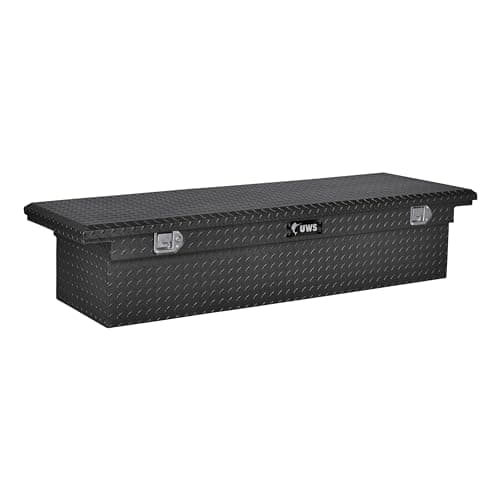
Featured here: the UWS UWS EC10473 69-inch Heavy-Wall Aluminum Crossover.
Heads up: we earn an Amazon commission when you buy through our links, at no extra cost to you. Prices are pulled live from Amazon and were last checked October 5, 2026; when we cannot verify a price we say so rather than print an old one. How this site is funded.
How we know:Spec-verifiedOwner-report-verifiedWhat these mean
Two versions of this problem. Either the lock works and you have lost the key, or the key turns and the lock does not do anything useful any more. The first has a surprisingly good chance of a non-destructive fix; the second is a part swap.
Try the non-destructive route first — a key code from the manufacturer, or a locksmith. Drilling a cylinder is a one-way door and it is the last option, not the first.
Locked with no key: the order to try things
Find the key code. Most tool box lock cylinders have a code stamped on the face or on the cylinder body. With the code and proof of ownership, the manufacturer or a dealer can usually supply a cut key. This is the cheapest and least destructive route and most people skip it.
Check for a spare in the obvious places. The original packaging, the glovebox, the previous owner. Boxes ship with two keys and the second one is usually still somewhere.
Call an automotive locksmith. A tool box cylinder is a simple lock and a locksmith can usually pick or impression it in minutes. Cheaper than a new box, and nothing is damaged.
Then, and only then, consider drilling. It destroys the cylinder, and on some boxes it damages the surrounding lid skin too.
Replacing the cylinder
If the cylinder is seized, worn, or you have drilled it, the replacement is usually straightforward. The pattern varies by manufacturer and the parts are generally available — which is one of the reasons fleet brands cost more.
Identify the cylinder type. Diameter, length and cam shape. Photograph it before removal.
Order the matching part from the box manufacturer. Generic cylinders are often close and rarely right, and a cylinder that is nearly right does not drive the latch properly.
Note which way the cam faces. Fitting it 180 degrees out means the lock works backwards, which is the classic error here.
Replace the clip or nut, not just the cylinder. The retaining hardware is usually the part that corroded in the first place.
Lubricate before refitting. A dry graphite or PTFE lubricant, not oil — oil plus grit is grinding paste.
Why cylinders seize, and how to stop it
Water into the keyway, freeze, thaw, repeat, with road salt in it. The fix is boring and effective:
Lubricate before winter, not after. A dry lubricant in the keyway in the autumn is twenty minutes that may save the cylinder.
Fit the dust cover if the box has one. They are usually a small flap over the keyway and they are usually missing by year three.
Work the lock regularly. A cylinder that is never turned seizes faster than one that is used daily.
Do not use oil. It holds grit in the keyway. Dry graphite or PTFE.
When the box is past it
Three situations where replacing the lock is the wrong call and you should put the money toward a box instead:
The lid has been levered and no longer sits flat. A new lock on a bowed lid gives you a box that locks and leaks.
The striker has torn out of the lid skin. The thin aluminum around a striker plate does not take a repair well. You can rivet a plate over it; it will be a repair you can see and it will be the weak point again.
The cylinder pattern is no longer available. Which happens with budget brands, and is a strong argument for the fleet brands in the first place.
If any of those apply, it is worth taking the opportunity to buy the latch you actually wanted. A multi-point lock is the one hardware upgrade in this category that changes outcomes rather than times. Why.
Heavy-wall aluminum, a foam-filled RigidCore lid that does not flex when you sit on it, and a low profile that still clears most rear glass. This is the crossover to buy if you intend to keep the truck.
Who should skip it. Skip it on a 5'5" short bed. At 69 inches it will sit on the rails, but you lose a disproportionate share of a short bed and the money is better spent on a side-mount pair.
Build
9.4
Weather seal
8.8
Security
8.6
Bed usability
8.0
Value
7.4
What works
+Foam-filled lid does not oil-can under body weight
+Low profile clears rear glass on most full-size crew cabs
+Heavy-wall extrusion survives being used as a step
+Gas struts are serviceable rather than sealed units
What does not
−Among the most expensive aluminum crossovers on the shelf
−69 in is a full-size length — not a mid-size answer
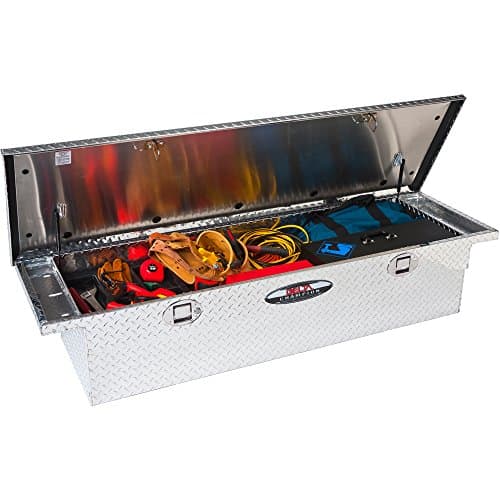
JOBOX's Gear-Lock drives multiple lock points from one key turn, which is the single biggest difference between a box a thief opens with a screwdriver and one he walks away from. The rest of the box is honest fleet-grade aluminum.
Who should skip it. It costs premium money and spends it on the latch rather than the lid. If your box lives behind a locked gate every night, you are paying for security you do not need.
Build
9.0
Weather seal
8.6
Security
9.6
Bed usability
8.0
Value
7.0
What works
+Multi-point locking is genuinely harder to defeat than a single center latch
+Fleet-grade build with parts availability years out
+Low profile preserves rear visibility
What does not
−Expensive
−Heavier than a comparable thin-wall box — two people to lift it on
−Gear-Lock hardware is the part to keep lubricated through winter
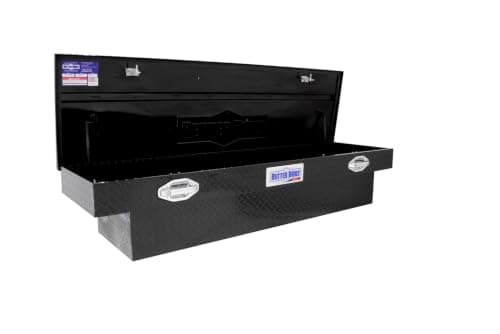
A 70 x 19 x 14 in gloss black aluminum single-lid box at a price the premium brands do not touch. You give up some lid rigidity; you keep most of the useful volume.
Who should skip it. Not the one if you plan to stand on the lid daily — the panel is thinner than UWS's foam-filled RigidCore and will flex. Buy the UWS or a saddle box instead.
Build
8.0
Weather seal
7.8
Security
7.6
Bed usability
8.2
Value
9.2
What works
+Full 19 in of depth — a framing square lies flat
+Gloss finish wipes clean; dust does not show the way matte does
+Priced well below the premium aluminum boxes
What does not
−Lid flexes under weight compared with foam-filled designs
−14 in height can crowd rear glass on lowered or small-cab trucks
−Latch hardware is the first thing owners report replacing
Full-size beds — exterior rail width in the mid sixties
F-150, Silverado, Ram, Sierra and Titan full-size beds
✗ Does not fit
Mid-size trucks
Any bed outside the manufacturer's stated fitment range
A note on buying a used box
If the box is second-hand and came without keys, assume you will be replacing the cylinder and budget for it — and check before buying that the pattern is still available for that brand. A used fleet-brand box with a known cylinder pattern is a much better buy than a used budget box with an orphaned one.
Questions people actually ask
My truck tool box is locked and I have no key. What now?
Look for a key code stamped on the cylinder face or body — with that and proof of ownership the manufacturer can usually supply a cut key. Failing that, an automotive locksmith can generally pick or impression a tool box cylinder in minutes. Drilling is the last option, not the first.
Can you replace a truck tool box lock?
Usually yes, and on fleet brands the parts are reliably available years out. Identify the cylinder diameter, length and cam shape, order the matching part from the manufacturer, and note which way the cam faces — fitting it 180 degrees out is the classic error.
Why did my tool box lock seize?
Water into the keyway, then freeze-thaw cycling with road salt in it. Lubricate the keyway with a dry graphite or PTFE lubricant before winter rather than after it seizes, fit the dust cover if the box has one, and never use oil — oil holds grit.
Should I lever the lid open?
No. It bends the latch rod, deforms the panel and takes the flatness out of the lid, after which the box will not seal properly again. You turn a lock problem into a box problem. A locksmith costs less than a lid.
When should I replace the box instead of the lock?
If the lid has been levered and no longer sits flat, if the striker has torn out of the lid skin, or if the cylinder pattern is no longer available for that brand. In all three cases a new lock gives you a box that locks and leaks.
Last reviewed October 5, 2026. Think a figure here is wrong? Tell us at contact@toolboxandtruck.com and we will check it, fix it and date the correction — see our editorial policy.