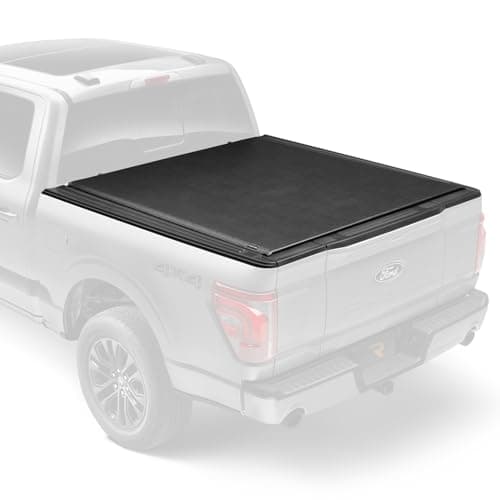
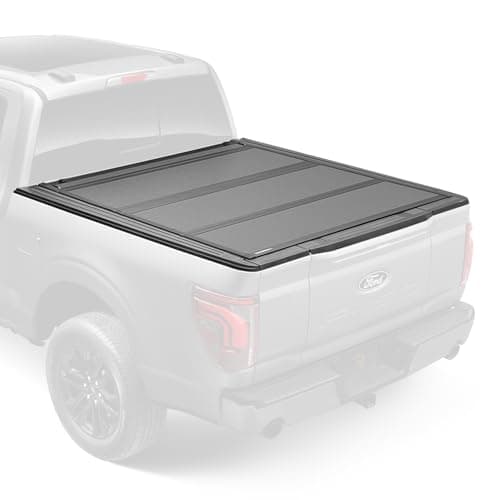
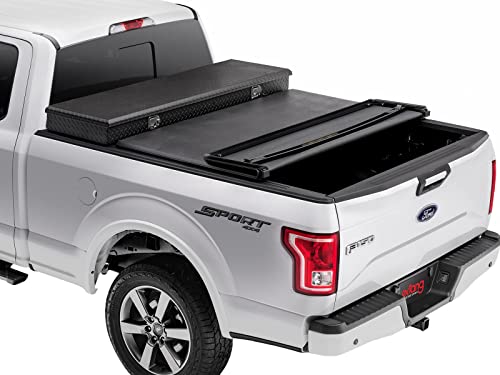
Our top pick in this section: the BAK BAKFlip MX4 Hard Folding Cover — F-150 5'7" (2015-2020).
Heads up: we earn a commission when you buy through our links, at no extra cost to you — from Amazon Associates, and from brand partner programs we have joined directly through the Impact network. Amazon prices are pulled live and were last checked November 28, 2026; a brand list price carries the date we read it off the maker’s own page. When we cannot verify a price we say so rather than print an old one. How this site is funded.
Top pick9.6/10★★★★★
BAK
BAK BAKFlip MX4 Hard Folding Cover — F-150 5'7" (2015-2020)
Aluminum panels, a matte finish that does not chalk, and it folds flat against the bulkhead so you can still carry tall cargo.
Tap any row for the full write-up. Prices come straight from Amazon and are never typed in by hand.
Protection is the category where a work truck quietly loses the most money. Not in dramatic damage — in the slow accumulation of a scratched bed floor, a sandblasted rocker panel, stone-chipped paint behind the rear wheel and a cab carpet that no longer cleans. None of it stops the truck working. All of it comes off the resale value, and most of it was preventable for a few hundred dollars.
This hub splits into two halves that have almost nothing to do with each other. The bed half — covers, liners and mats — is about cargo and weather. The body half — flaps and boards — is about road debris and getting in and out. Buy from both, in that order.
The bed: pick one liner strategy and commit
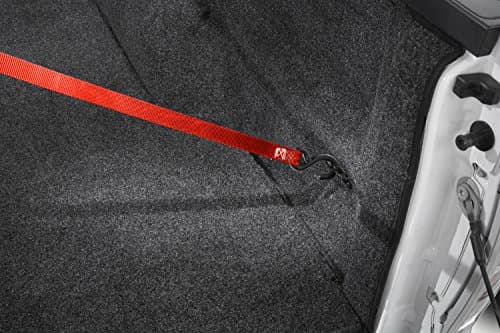
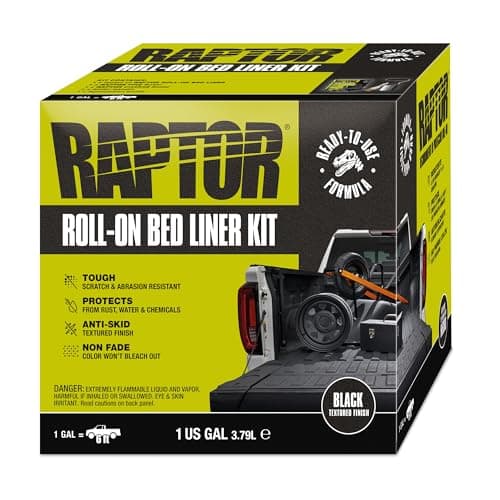
There are four ways to protect a bed floor and they are mutually exclusive in practice. The choice depends almost entirely on what you load and how.
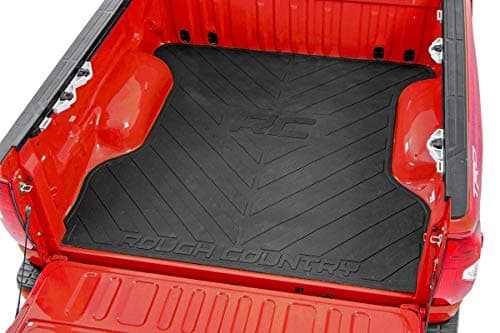
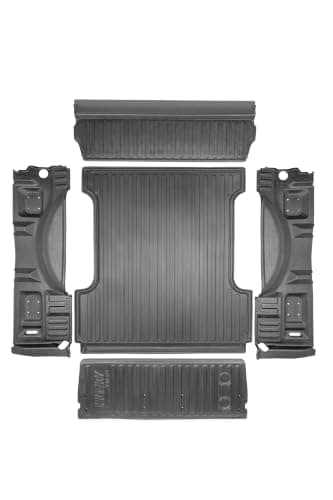
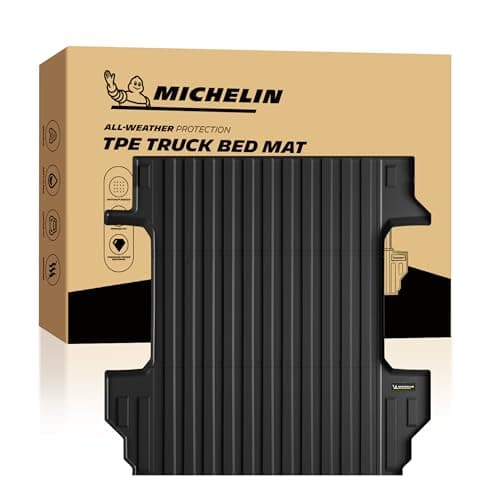
If you load with a machine or throw scrap, you want full coverage. If you kneel in the bed and slide cargo by hand, a carpeted liner changes the experience more than anything else here. If you want the cheapest meaningful protection, a rubber mat covers the surface that takes 90% of the damage. The trade-offs are set out properly in spray-in vs drop-in bed liner.
Tonneau covers: the real decision is folding versus rolling
Cover shopping gets framed as soft versus hard, and that is the less useful axis. The question that decides whether you like the cover in six months is how it gets out of the way.
Tri-fold (soft or hard). Folds forward against the bulkhead in sections. Fast, but the folded stack occupies the front of the bed and you lose that space whenever the cover is open.
Roll-up. Rolls into a bundle at the bulkhead. The whole bed is clear in about ten seconds, which is the fastest of any format, and the bundle is smaller than a folded stack. The picks are in the best roll-up tonneau covers.
Retractable. Disappears into a canister at the bulkhead. The tidiest and by far the most expensive, and the canister permanently consumes bed length.
Hard panels buy you snow-load capacity, a surface you can put weight on and a service life measured in truck ownerships rather than years. Soft covers buy you half the price. Both keep rain and eyes off the bed, which is what most people actually want. The full comparison is in soft vs hard tonneau cover, and the picks are in the best tonneau covers. If you have already narrowed it to the two covers most work trucks end up choosing between, we put them head to head in BAKFlip MX4 vs TruXedo Lo Pro.
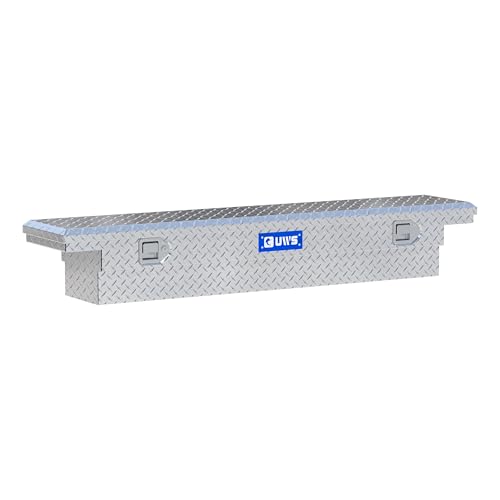
The compatibility question that trips up most work trucks is whether a cover and a tool box can coexist. Short answer: with a slimline box, usually; with a standard crossover, only with a notched cover. Long answer: does a tool box fit under a tonneau cover.
The hard folding cover this site keeps arriving at is reviewed on its own in BAKFlip MX4 review — including the bed length the folded panels cost you, and the plain statement that a latch is not a lock.
The body: cheap parts that prevent expensive paint
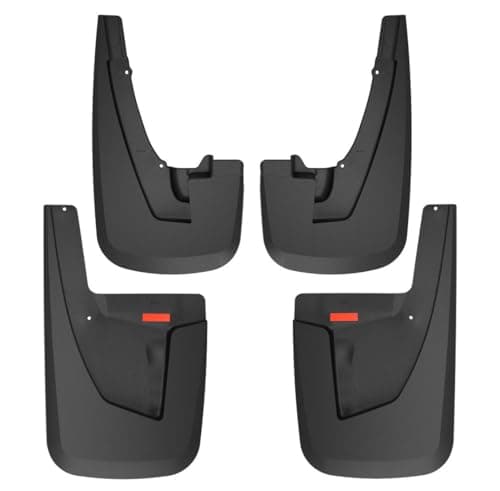
Mud flaps are the highest return-on-cost item on this entire site. A set of custom-molded flaps costs less than a tank of fuel for a heavy-duty truck and prevents the one damage pattern that is guaranteed on any truck driven on gravel: a sandblasted rocker panel and a stone-chipped lower door. Front flaps are the ones people skip and the ones that protect the rocker.
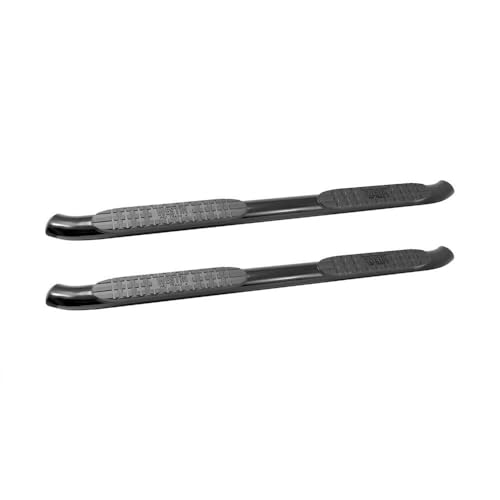
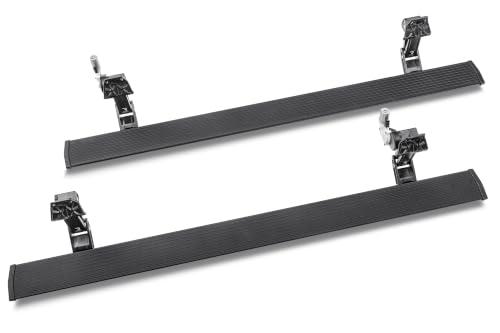
Running boards are a comfort item that becomes a safety item on a lifted or heavy-duty truck. The real decision is fixed versus retractable, and it is a decision about ground clearance: a fixed board is the thing that grounds out on a rutted site entrance, and a retractable step has motors and linkages living in salt and mud. There is no free option. The retractable end of that argument, and the most expensive accessory on this site, is assessed in AMP Research PowerStep review.
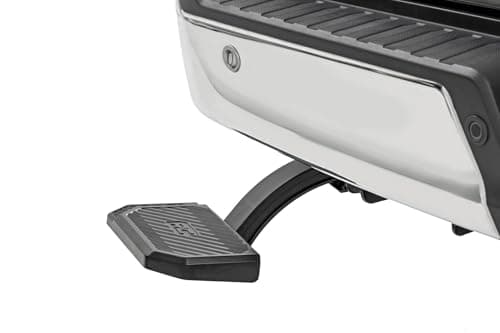
Bed steps and tailgate ladders are the other half of the access problem and the cheaper half. A running board gets you into the cab; a bed step or a folding ladder gets you over the tailgate, which on a working truck is the climb you make thirty times a day. Two of the picks there publish a weight rating, most of the category publishes nothing, and the choice between a fitted step and a universal ladder comes down to whether your tailgate spends the day up or down.
Where we would spend first
Mud flaps. Cheapest, fastest, prevents damage that cannot be undone.
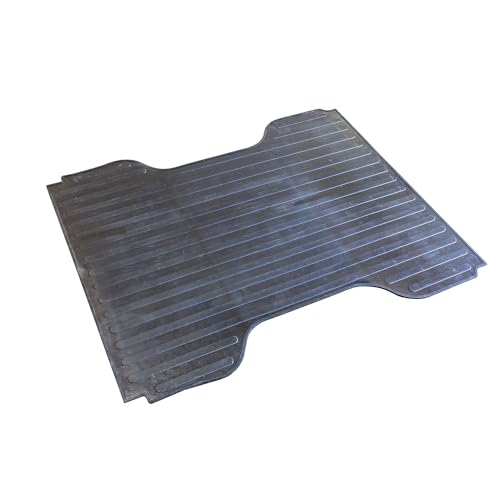
A bed mat. Covers the surface taking most of the abuse for very little money.
A cover, if the bed carries anything worth hiding. Soft tri-fold is the sensible default; hard folding if snow load or weight on the cover matters.
Full liner coverage, if you load rough. Drop-in or spray-in, decided by whether you want it replaceable or permanent.
Running boards, if entry is genuinely awkward. Fixed unless clearance rules it out.
Everything in this section
All of our bed and body protection pages
Each one carries its own picks, live prices and a plain statement of what does not fit.
Retractable bumper steps, tailgate ladders and hitch steps ranked on published capacity, how much of the climb each one removes, and whether the maker names your truck.
The two honest routes to a covered bed with a locking box in it — a tool-box-edition cover, or a box built to clear the cover line — with the clearances to measure first.
Hard tri-fold against soft roll-up on the four differences that show up daily: snow, speed of clearing the bed, what the stowed cover costs you, and money.
The aluminum tri-fold assessed honestly: what the panels buy in snow and sun, the bulkhead third you give up, why the latch is not security, and the cheaper cover that suits more work trucks than people admit.
The cheaper decision in bed protection, settled: when a rubber mat is all you need, when a liner is worth it, and why the two together is sometimes wrong.
Retractable electric steps assessed honestly: the ground clearance they genuinely save, the motors and harness living in the spray zone, and the fixed boards that do most of the same job for a fraction of the money.
The two honest routes to a covered bed with a locking box in it — a tool-box-edition cover, or a box built to clear the cover line — with the clearances to measure first.
Four soft roll-ups and one hard-slat retractable, ranked on published fitment, seal design and what the rolled bundle costs you at the bulkhead.
Updated November 2026
Questions people actually ask
Do tonneau covers actually improve gas mileage?
It is contested, and we will not print the standard 5-10% marketing figure as fact. Independent tests have produced results in both directions depending on speed, cover style and whether the tailgate is up. If better fuel economy is your only reason to buy a cover, the evidence does not support the purchase. The full discussion is here.
Is a spray-in or a drop-in bed liner better?
Spray-in bonds to the bed so no grit gets behind it, and it never rattles; drop-in is replaceable when it is destroyed and does not require a booking at a shop. Spray-in is the better answer if the truck's condition will matter at resale. Drop-in is the better answer on an older truck or if you want it reversible. Full comparison.
Will a tonneau cover work with a tool box?
With a slimline or low-profile cross-bed box, usually yes — most tri-fold and soft roll-up covers will close over one. With a standard 14 in or deeper crossover box, you need a cover notched for a tool box. Retractable covers with a bulkhead canister are the hardest combination to make work. Clearances and combinations.
Do I need a bed liner if I have a bed mat?
A mat protects the floor, which is where most damage happens, and nothing else. If your loading never touches the bed sides — hand-loaded tools, bags, totes — a mat is enough. If you load with a machine, carry scrap or slide long material in, the sides need covering too and a mat is not sufficient.
Are mud flaps worth fitting?
On any truck that sees gravel, yes, and they are the cheapest preventative item on this site. A set of custom-molded flaps costs a fraction of repainting a sandblasted rocker panel. Front flaps matter more than rear ones and are the set people skip. Our picks.
Fixed running boards or retractable steps?
Fixed boards cannot fail and cost a quarter as much; they also cost you ground clearance permanently and are the first thing to catch on a rutted entrance. Retractable steps keep the clearance and add motors and wiring to the underside of a truck that lives in salt. If the truck goes off pavement regularly, retractable earns its price. Otherwise fixed is the pragmatic answer.
$549.999% off · Price as of November 28, 2026. #ad
Last reviewed October 5, 2026. Think a figure here is wrong? Tell us at contact@toolboxandtruck.com and we will check it, fix it and date the correction — see our editorial policy.