Work truck gear, ranked for the people who load it every morning.
Bed storage
The best truck bed dividers and cargo bars
The cheapest useful thing on this site. A load that cannot move does not need to be found, does not scratch the bed and does not arrive at the bulkhead.
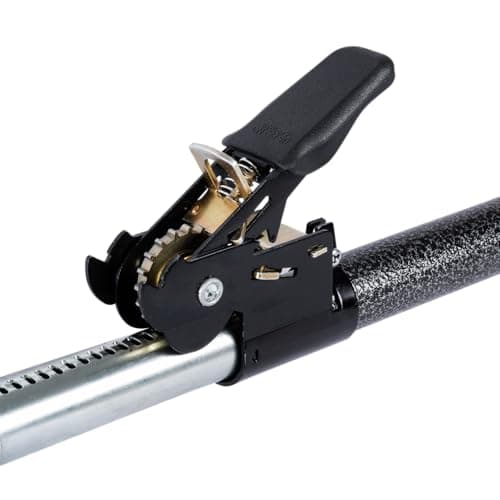
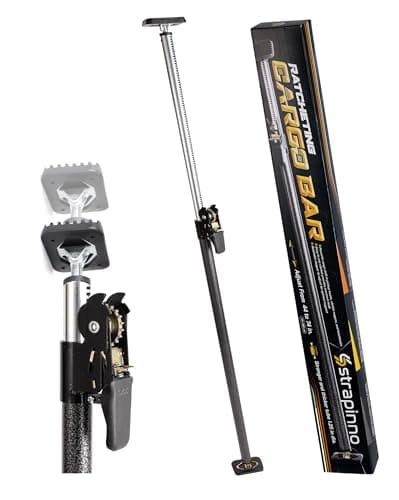
Our top pick: the Keeper Keeper Adjustable Ratcheting Cargo Bar, 40-70 in.
Heads up: we earn an Amazon commission when you buy through our links, at no extra cost to you. Prices are pulled live from Amazon and were last checked October 5, 2026; when we cannot verify a price we say so rather than print an old one. How this site is funded.
Tap any row for the full write-up. Prices come straight from Amazon and are never typed in by hand.
Everything in a pickup bed migrates to the bulkhead. It happens on the first hard stop, it happens every single trip, and it is the reason a bed that was tidy on Monday is a pile by Wednesday. A cargo bar across the bed stops it, and it costs less than a tank of fuel.
If you are reading this site because your bed is a mess and you are considering a thousand-dollar drawer system, buy the bar first. It is entirely possible that is all you needed.
A ratcheting cargo bar is the highest return per dollar of anything we recommend. Buy a full divider panel only if you genuinely need two compartments rather than one brace.
Bar or panel: they do different jobs
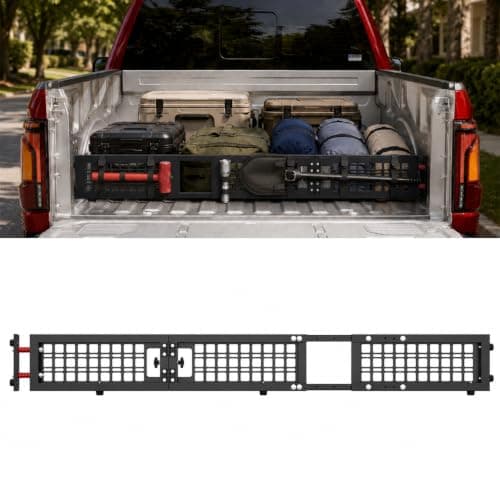
These get shelved together and they are not alternatives. A bar braces across the bed and holds a load against something — usually the tailgate. A panel partitions the bed into two compartments so small items on one side cannot migrate to the other.
Cargo bar
Divider panel
What it does
Holds a load in place
Splits the bed in two
Small items
Still roll under and around it
Genuinely contained
Setup time
Seconds, by hand
Minutes
Storage when not needed
Behind the seat
Bulky — it has to go somewhere
Price
Less than a tank of fuel
Several times that
Buy it for
Stopping the slide
Separating tools from material
Most people need the bar. The panel earns its place on a truck that always carries the same two kinds of thing — tools forward, material aft — and never needs the full bed clear.
The picks, ranked
No. 1KeeperOwner-report-verified
Keeper Adjustable Ratcheting Cargo Bar, 40-70 in
Best for: Stopping the load sliding to the bulkhead
A 40-70 in ratcheting bar that braces across the bed and holds a load against the tailgate. It is the cheapest piece of kit on this site and it stops more rattling, sliding and scratched paint than anything else you can buy for the money.
Who should skip it. It is a brace, not a wall. It does not partition the bed into compartments and it will not hold a heavy load on its own.
Build
7.8
Capacity
6.8
Install
9.8
Day-to-day access
9.4
Value
9.6
What works
+Costs less than a tank of fuel
+Ratchet tension holds without tools
+Stores flat behind the seat when not in use
What does not
−Keeps a load in place; does not compartmentalize the bed
44-74 in of reach on a 1.25 in tube with non-slip pads. The wider range and the thicker tube are the difference — the thin-tube bars flex noticeably once the load pushes on them.
Who should skip it. If your bed is under 44 in between the walls you cannot shorten it enough. Buy the 40 in bar instead.
Same 40-70 in format from a company whose entire business is cargo securement, with rubber non-slip pads. Buy it if you would rather have the specialist's hardware than the hardware-store brand.
Who should skip it. Functionally very close to the cheaper bars. If budget is the constraint, the difference is not decisive.
Build
8.4
Capacity
7.0
Install
9.6
Day-to-day access
9.2
Value
8.4
What works
+Load-securement specialist's hardware
+Works in trailers and SUVs as well as a bed
+Rubber pads protect a painted bed better than bare plastic
A full-height adjustable divider panel rather than a single bar. If you want the bed genuinely split into two compartments — tools forward, material aft — a panel is the only thing that does it.
Who should skip it. A panel is bulky to remove and store. If you need the full bed back regularly, a cargo bar is the pragmatic answer.
The tube diameter is the specification that matters
Cargo bars look identical in listing photos and are not. The variable is tube wall and diameter, and it shows up the moment a load pushes against the middle of the bar: a thin tube bows visibly, and a bowed bar is a bar that is about to let go at one end.
1.25 in tube or thicker. Resists bowing under a real load. This is the spec to look for.
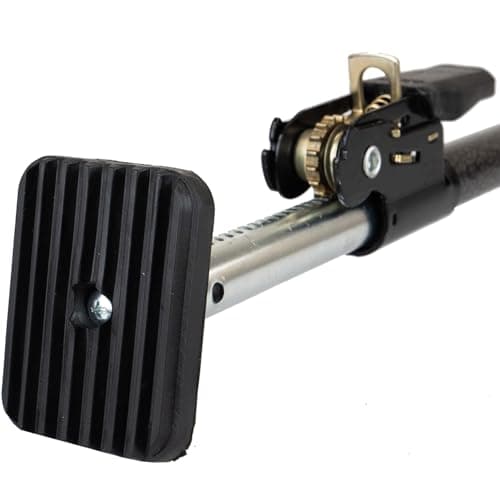
Non-slip pads. Rubber pads grip a bed liner; bare plastic feet slide, which is how a bar walks loose on a rough road.
Ratchet versus twist tension. A ratchet gives you more tension and holds it. Twist-lock bars loosen with vibration.
Adjustment range covering your bed. Measure between the bed walls. A 44-74 in bar will not fit a narrow mid-size bed.
Where to put it
The common mistake is putting the bar immediately behind the load. That leaves the load free to move the inch or two to the bar and then slam into it. Put the bar tight against the load, with the load already pressed against the tailgate or the bulkhead, so there is no travel at all.
Load against a fixed face. Tailgate for most things; bulkhead if the load is heavy and you want the weight forward.
Bar tight against the load. Ratchet it until the pads compress. No gap.
Second bar for a tall load. One low, one higher, if the load can tip rather than slide.
Check it at the first stop. Everything settles. Thirty seconds of re-tensioning is the whole maintenance regime.
Marks on the bed, and how to avoid them
Rubber pads under tension against painted bed sides will mark the paint over months. On a truck with a spray-in or drop-in liner this is a non-issue. On a bare painted bed it is worth putting a strip of something between the pad and the paint, or accepting that the bar's footprint will become visible.
This is one of several small reasons to have some kind of bed protection fitted before you start adding hardware — see bed mats and bed liners.
What we would actually buy
One ratcheting bar with a 1.25 inch tube and rubber pads, in the adjustment range that covers your bed. That is it. If the bed regularly carries both tools and loose material and you never need the full floor clear, add a divider panel — but do that after the bar, not instead of it.
Questions people actually ask
Do cargo bars actually work?
For stopping a load migrating to the bulkhead on every hard stop, yes, and nothing else in this price range does it. What a bar does not do is contain small loose items, which roll around and under it — that needs a divider panel or a container.
What size cargo bar do I need?
Measure between the inside faces of the bed walls at the height you want the bar. Common ranges are 40-70 in and 44-74 in; a 44 in minimum will not fit a narrow mid-size bed. Buy a range that puts your measurement in the middle rather than at the extreme.
How much weight can a cargo bar hold?
Most do not publish a figure, and we leave the spec row blank rather than inventing one. A bar is designed to resist a load shifting in normal driving, not to restrain a load in a collision. Anything heavy needs strapping to rated anchor points instead.
Will a cargo bar damage my bed?
Rubber pads under tension will mark painted bed sides over months. With a spray-in or drop-in liner it is a non-issue. On a bare painted bed, put something between the pad and the paint or accept the marks. One more argument for fitting bed protection first.
Is a divider panel better than a bar?
It is different, not better. A panel genuinely splits the bed into two compartments so loose items stay where you put them; a bar just stops a load sliding. A panel is bulkier to remove and store, so it suits a truck that always carries the same two kinds of load.
Last reviewed October 5, 2026. Think a figure here is wrong? Tell us at contact@toolboxandtruck.com and we will check it, fix it and date the correction — see our editorial policy.